

|
|
What is Stormwater?
Stormwater is created by natural rainfall that flows off of rooftops, sidewalks, parking lots and
streets. Water is a universal solvent and as it flows, it picks up and
carries everything from sediment to pesticides. When Stormwater is
discharged at a point source, the resulting flows
cause flooding, erosion, destroys habitat and carries pollution.
Stormwater Pollution
Our drinking water supplies are fouled by uncontrolled pollution when
rainwater and snowmelt wash over city streets, parking lots, and suburban lawns
and pick up toxic chemicals, disease-causing organisms, and dirt and trash. This
problem is called urban stormwater pollution. Recent studies have found that
urban stormwater rivals and in some cases exceeds sewage plants and large
factories as a source of damaging pollutants.
Unregulated, unmanaged urban stormwater have contributed to many severe
public health problems and expensive natural resource losses in the United
States. Each of these problems carries heavy costs: increased spending on health
care, higher insurance and drinking water rates, declining stocks of commercial
fish, and loss of coastal tourism revenues.
 | Pollution threat to drinking water aquifers from petroleum and
hydrocarbons washed from road and driveway surfaces. |
| Deposition of silt, debris and other materials that rob oxygen, turn
stagnant and fouls the natural habitat. |
| Erosion due to discharge of high water volume |
| Chemical pollution - such as detergents, oil or fertilizers. |
| Litter - such as cigarette butts, cans, paper, plastic bags, etc. |
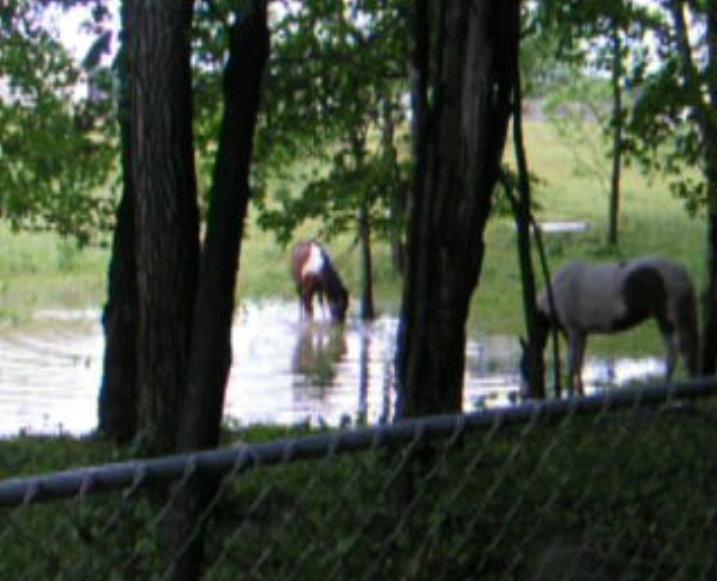
| Standing water is a breeding ground for biting insects like flies and
mosquitos
|
|
|